Expert Tips on Dealing with Petrol Contamination in Your Diesel Vehicle
- Fuel Doctor
- Aug 18, 2024
- 4 min read

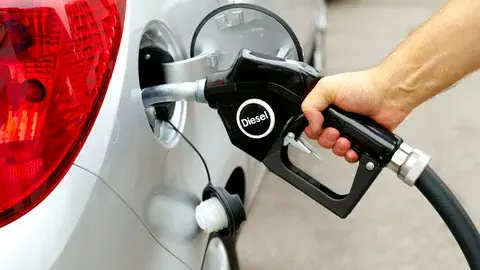
When you accidentally put petrol in a diesel car, it can lead to severe consequences for your vehicle's engine and fuel system. The mixture of these two fuels can cause catastrophic damage, leading to expensive repairs. In this comprehensive guide, we share expert tips on how to deal with petrol contamination in your diesel vehicle effectively.
Understanding the Risks of Petrol Contamination in Diesel Cars
The consequences of putting petrol in a diesel car are far more severe than the reverse. Diesel engines rely on the lubrication provided by diesel fuel to protect their intricate components. Petrol, on the other hand, acts as a solvent and strips away this lubrication, causing friction, overheating, and potential engine seizure. The more you drive with this contaminated mixture, the higher the risk of causing irreparable damage.
Key Symptoms of Petrol Contamination
If you suspect that you’ve added petrol to your diesel car, it’s essential to act quickly. Here are some signs to look out for:
Engine misfiring: The car may jerk or shudder while driving.
Difficulty starting: The engine might struggle to start, or it may not start at all.
Excessive smoke: Unusual smoke from the exhaust, especially black or white smoke.
Decreased performance: Noticeable loss of power and efficiency.
Identifying these symptoms early can save your vehicle from extensive damage. However, the best course of action is prevention, as the costs of repair can be steep.
Immediate Steps to Take After Petrol Contamination
If you realize that you’ve filled your diesel car with petrol, it’s crucial to remain calm and take the following steps:
1. Do Not Start the Engine
The first and most important rule is to avoid starting your engine. Starting the engine will circulate the contaminated fuel through the system, increasing the likelihood of damage. If you haven’t turned on the ignition, your vehicle’s fuel system will remain contained, making it easier to remedy the situation.
2. Contact a Professional Fuel Drain Service
Call a reputable fuel drain service, such as the fuel doctor, immediately. Professionals in this field are equipped to safely remove the contaminated fuel from your vehicle and minimize the damage. The Fuel Doctor provides 24/7 services and can typically reach you within an hour.
3. Avoid DIY Solutions
Many people attempt to fix the issue themselves by draining the fuel tank. However, without the proper tools and expertise, you risk causing further damage to your vehicle. Moreover, the disposal of contaminated fuel must be handled according to environmental regulations, which professionals like The Fuel Doctor are well-versed in.
4. Have Your Vehicle Inspected
After the contaminated fuel is removed, it’s essential to have your vehicle inspected by a qualified mechanic. Even if the fuel is successfully drained, residual petrol can remain in the system and cause damage over time. A thorough inspection ensures that all traces of petrol are removed, protecting your vehicle’s engine and fuel system.
Long-Term Effects of Petrol Contamination in Diesel Vehicles
Even after the contaminated fuel is drained, there may be long-term effects on your vehicle. Here are some potential issues:
1. Damage to Fuel Injectors
Fuel injectors in diesel engines are designed to work under high pressure with diesel’s lubricating properties. Petrol in a diesel car can damage these injectors, leading to poor engine performance and costly replacements.
2. Corrosion of Fuel System Components
Petrol lacks the necessary lubricants found in diesel, which can cause metal components in the fuel system to corrode over time. This can lead to leaks, blockages, and a decrease in overall vehicle performance.
3. Clogged Fuel Filters
Diesel fuel filters are designed to trap impurities found in diesel fuel. However, when petrol is introduced into the system, it can clog the filters, reducing fuel flow and leading to engine misfires or stalling.
4. Compromised Engine Parts
In extreme cases, petrol in a diesel engine can lead to piston damage, cylinder head cracks, and complete engine failure. The cost of repairing or replacing these parts can be significant, making prevention the best strategy.
Preventing Petrol Contamination in Diesel Cars
Prevention is always better than cure. Here are some tips to avoid putting petrol in a diesel car:
1. Label Your Fuel Cap
Consider labeling your fuel cap with a prominent “DIESEL” sticker. This small reminder can help prevent mistakes at the pump.
2. Double-Check at the Pump
Always double-check the pump nozzle before refueling. Many fuel stations have different colored nozzles for diesel and petrol, but it’s still wise to confirm before proceeding.
3. Use a Diesel-Specific Nozzle
Some fuel stations offer diesel-specific nozzles that won’t fit into petrol vehicles. Opt for these when available, as they provide an added layer of protection.
4. Install a Misfuel Prevention Device
For added peace of mind, consider installing a misfuel prevention device. These devices prevent petrol nozzles from fitting into diesel fuel tanks, eliminating the possibility of human error.
Final Thoughts
Accidentally putting petrol in a diesel car can be a stressful and costly mistake, but it’s one that can be mitigated with quick action and professional help. By following the expert tips outlined above, you can minimize the damage to your vehicle and get back on the road with confidence. Remember, the key to avoiding this problem in the future is vigilance and taking preventive measures.


Comments